


The Pericú, the people who lived in Los Cabos before the Spanish
Who the Pericú were, how they lived from the sea, what happened after the missions arrived in the 1720s, and where their history is kept.
In this guide
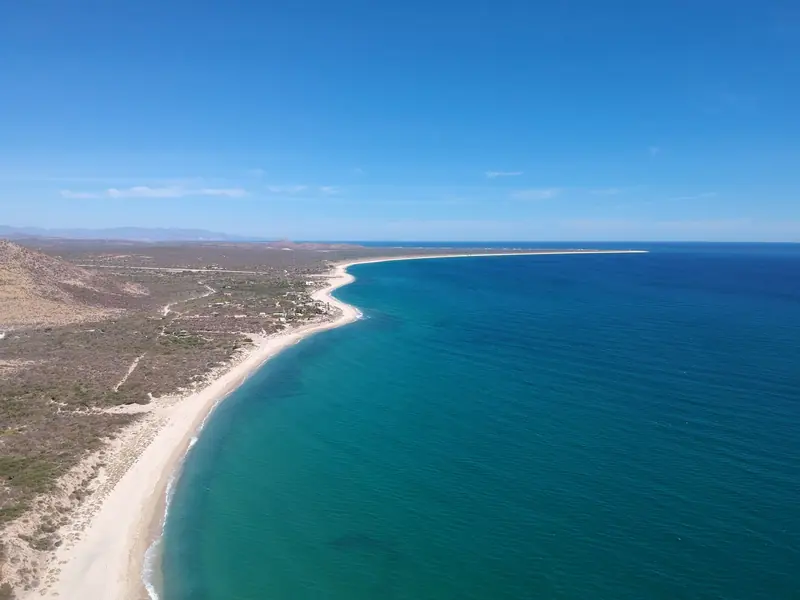
The people who lived in Cabo San Lucas before the Spanish were the Pericú. They occupied the southern tip of the Baja California peninsula, from Todos Santos on the Pacific around to La Paz on the gulf, and fished these waters from wooden rafts for thousands of years. They no longer exist as a distinct people: epidemics and war after the missions arrived ended their culture and language within about two generations.
What follows is drawn from archaeology and from accounts written by outsiders, mostly missionaries and sailors. The Pericú left no written record of their own, so their side of the story reaches us secondhand.
The Pericú on a timeline
| Date | What happened |
|---|---|
| About 12,000 to 10,000 years ago | Earliest evidence of people in the cape region |
| 1530s | First Spanish ships reach La Paz and the cape |
| 1587 to 1721 | Privateers and galleon crews stop at the cape for water |
| 1720 | Jesuit mission founded at La Paz |
| 1724 | Mission founded at Santiago |
| 1730 | Mission founded at San José del Cabo |
| October 1734 | Revolt begins; missions of the cape destroyed |
| 1742 to 1748 | Epidemics sweep the southern peninsula |
| Late 1700s | The Pericú are considered extinct as a culture and a language |
| 1981 | INAH opens the regional museum in La Paz |
Who were the Pericú?
They were one of three peoples the Jesuits described on the peninsula. The Cochimí lived in the center and north, the Guaycura in between, and the Pericú in the cape region and on the nearby gulf islands of Cerralvo, Espíritu Santo, La Partida and San José.
The archaeological record in their territory is long. Sites in the cape region go back to the end of the last ice age, around 12,000 years ago by some dates and at least 10,000 by others. On the shore of Cabo San Lucas itself, archaeologists from INAH, Mexico's heritage institute, recorded a shell midden at El Médano in 1991. Shell from it has been radiocarbon dated to about 5,600 years ago and again to the 1300s, which suggests people came back to the same beach for a very long time.
Two place names survive from their language near here. Yenekamú was the site of Cabo San Lucas, and Añuití was the place by the estuary where the San José mission later stood.
How did the Pericú live?
From the sea, mostly. They took fish, shellfish and marine mammals, and on land they gathered agave and cactus fruit and hunted deer and small game. They did not farm.
Their boats set them apart. The Pericú built wooden rafts and drove them with double-bladed paddles, like a kayak paddle, which was unusual along this coast. Their gear included nets, spears, harpoons and darts. They also kept using the atlatl, a spear-thrower, into the 1600s, long after most of North America had replaced it with the bow.
Women wore skirts of plant fiber or animal skin, and both men and women wore ornaments.
The oldest known pictures of them come from an English privateer. George Shelvocke anchored at the cape for a week in August 1721, and the account he published in London in 1726 includes two engravings of Pericú men and women. A survey of the printed sources by the historian W. Michael Mathes treats Shelvocke's notes as some of the more even-handed of the period.
How the Pericú buried their dead
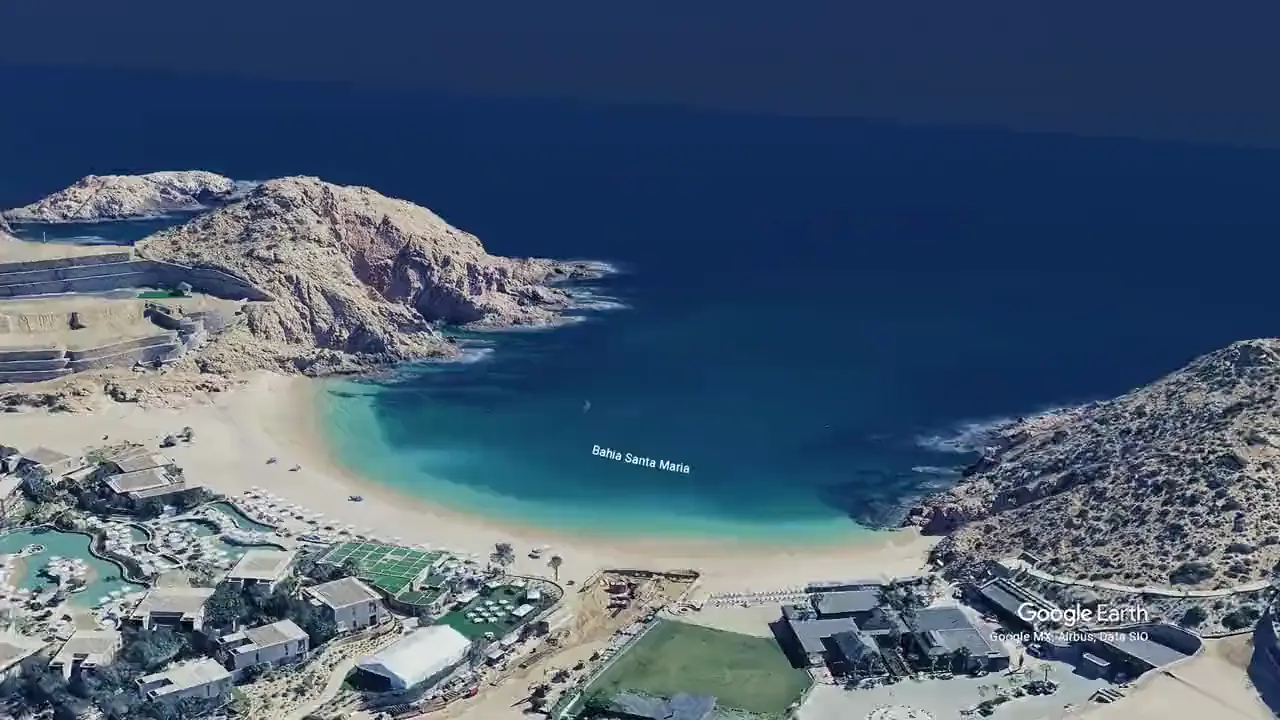
Archaeologists call it the Las Palmas complex. In caves and rock shelters around the cape, they have found secondary burials: bones that were gathered after the body had decomposed, painted with red ochre and laid to rest a second time. Basketry, netting and containers of sewn palm bark have been found in the same sites. The Dutch anthropologist Herman ten Kate and the French naturalist Léon Diguet described these burials in the late 1800s, and William Massey studied them in detail in the mid 1900s.
The skulls in these burials are unusually long and narrow. That has led to more than a century of debate about where the Pericú came from. A 2003 study in Nature measured Pericú skulls and argued that they resembled the earliest known Americans more than later Native American populations, as if an older lineage had lasted at the isolated end of the peninsula. Other researchers have proposed different explanations. The question is open.
These are human remains, and the people they belonged to have no community left to speak for them. Keep that in mind when you see them discussed in a museum.
What happened when the missions came?
Spanish ships reached the cape in the 1530s, and for almost two centuries contact was occasional: explorers, pearl hunters, galleon crews looking for water, English privateers waiting for the galleons.
That changed in the 1720s. Jesuit missionaries founded La Paz in 1720, Santiago in 1724 and San José del Cabo in 1730. The missions asked the Pericú to settle in one place, change how they married and accept the authority of the priests. Leaders who had several wives were pressed to give them up. Measles, smallpox and other diseases arrived with the newcomers and hit a population that had no resistance to them.
The revolt of 1734
In the first days of October 1734 the Pericú rose against the missions. The uprising started at Santiago, where the missionary Lorenzo Carranco was killed. Sources date his death to October 1 or 2. On October 3 the missionary Nicolás Tamaral was killed at San José del Cabo. The revolt spread to the missions of Santa Rosa, at Todos Santos, and La Paz, and all four were destroyed.
Jesuit accounts blame the ban on polygamy and the punishment of Pericú leaders. Those accounts are the only detailed ones we have, and they were written by the side that was attacked. Historians add the epidemics and the loss of the old way of life to the list of causes.
It took the Spanish about two years to retake the south. A garrison was then stationed at San José del Cabo. The mission side of the story is in the mission of San José del Cabo.
The heaviest losses were Pericú. Deaths in the fighting came on top of the diseases, and further epidemics in 1742, 1744 and 1748 left only scattered survivors in the south. By the time the Jesuits were expelled in 1768, historians consider the Pericú to have ended as a culture, and their language went with them. Some of their ancestry may survive in the mixed families of the cape region today.
What remains of the Pericú today?
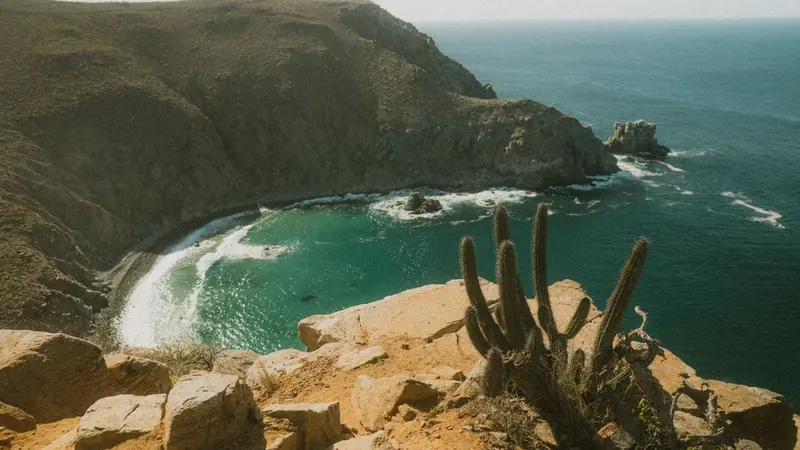
There are no Pericú ruins to visit, because they built with palm and brush. What remains is in the ground, in collections and in names.
- The Museo Regional de Antropología e Historia de Baja California Sur in La Paz. INAH opened it in March 1981 at Altamirano and 5 de Mayo. Its rooms cover the first peoples of the peninsula, rock painting and the missions. Hours are Tuesday to Sunday, 9 AM to 6 PM.
- Rock art. The famous Great Mural paintings of the Sierra de San Francisco, a UNESCO World Heritage site since 1993, are far to the north in Cochimí country. They are a different tradition. Smaller sites are reported in the cape region. If a tour offers one, ask whether the guide is authorized by INAH.
- Place names. Añuití survives in the full name of the San José mission. Yenekamú is recorded in the municipal history as the Pericú name for Cabo San Lucas.
If you are driving up to see the museum, our La Paz day trip article has the distances.
Seeing Pericú country from the water
The coast between Land's End and the coves of the corridor is the one the Pericú worked from their rafts. Much of the shoreline now has hotels on it. The water, the reefs and the granite points are what they knew.
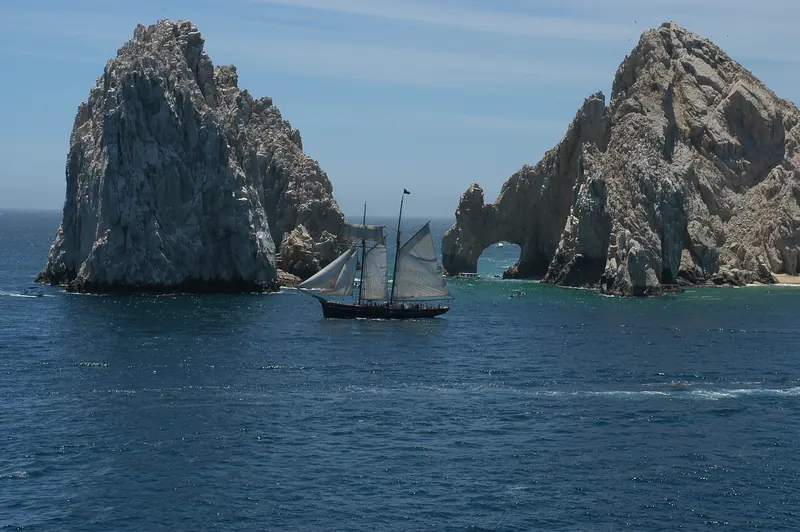
Two stops fit this story. The Arch at Land's End, 1.2 miles (1.9 km) from the marina, is the tip of their territory, where the gulf meets the Pacific. Santa María Bay, 6.7 miles (11 km) up the coast, is a sheltered cove with reef along both points. Snorkeling over that reef shows you the fish and shellfish a people could live on.
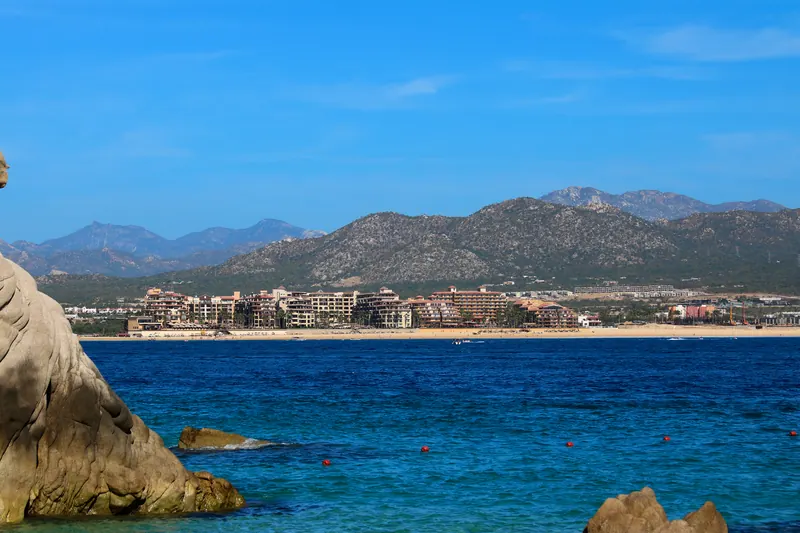
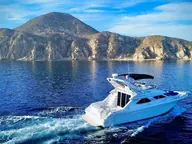
The 4 hour Santa María snorkel route does both: the Arch first, then up the coast to the bay, 15.5 miles round trip. On the Sea Ray 40, which takes up to 12 guests and includes snorkel gear, that is USD 1,499 (MXN 28,499) per boat with the 16% tax included. The customary 15% crew tip is not included. Other boats and shorter routes are in the planner.
For the longer story of the cape after the missions, see the history of Cabo San Lucas.
Yachts in this guide
Questions people ask
Who lived in Cabo San Lucas before the Spanish?
The Pericú. They lived across the cape region of Baja California Sur, from Todos Santos around to La Paz, and on the islands of Cerralvo, Espíritu Santo, La Partida and San José. They called the site of Cabo San Lucas Yenekamú.
Are there any Pericú people today?
Not as a distinct people. Historians consider the Pericú culturally and linguistically extinct since the second half of the 1700s, after epidemics and the war that followed the 1734 revolt. Some of their ancestry may survive in families of the cape region.
What language did the Pericú speak?
Their own language, also called Pericú, which is extinct. Only a handful of words and fewer than a dozen place names were recorded, so linguists cannot say for certain what other languages it was related to.
Where can I learn about the Pericú in Baja California Sur?
The Museo Regional de Antropología e Historia de Baja California Sur in La Paz, run by INAH, has archaeology and mission-period rooms. It opened in 1981 and is open Tuesday to Sunday, 9 AM to 6 PM.
What was the Pericú revolt of 1734?
An uprising against the Jesuit missions of the cape. It began at Santiago in early October 1734, spread to San José del Cabo, Todos Santos and La Paz, and took the Spanish about two years to put down. Two missionaries were killed, and the Pericú lost many more people.
Plan your day on the water
Pick a yacht, the hours and the food in the planner. A written reply within 2 hours, 8 AM to 8 PM Cabo time.
Keep reading
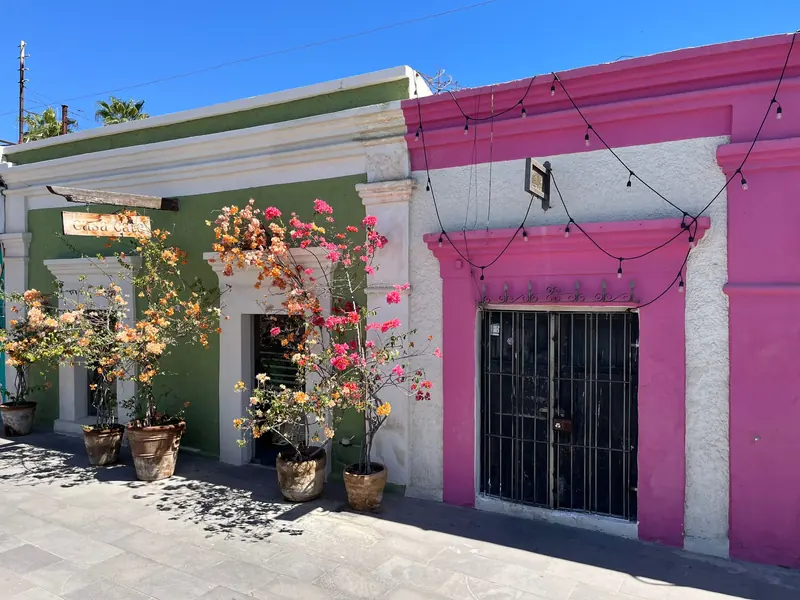 History and cultureSan José del Cabo Mission: History and What to SeeWhen the San José del Cabo mission was founded, why it moved, what happened in 1734, and what the church on Plaza Mijares shows now.7 min read
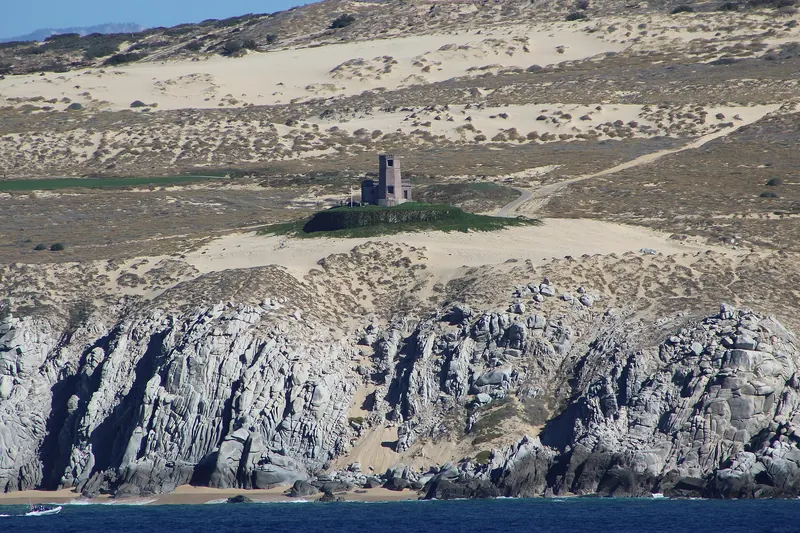 History and cultureCabo San Lucas History: From the Pericú to TodayA dated timeline of Cabo San Lucas: the Pericú, the galleons and privateers, the cannery village, and the highway and airport that built the resort.7 min read
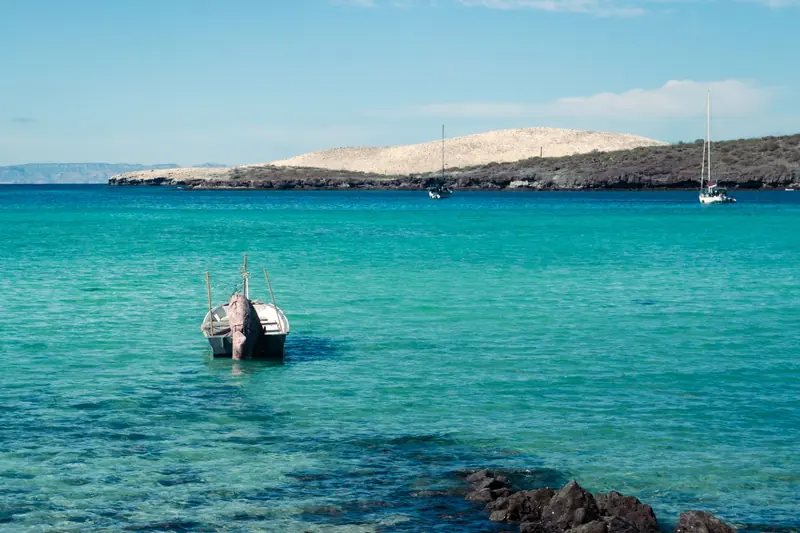 Things to doLa Paz Day Trip from Cabo: Drive, Bus and What to SeeHow far La Paz is from Cabo, how to get there, what the islands and whale sharks involve, and why to stay one night.8 min read
 History and cultureCabo Pirates and the Manila Galleon: The Real StoryWhy the Manila galleons passed Cabo San Lucas, how Cavendish and Rogers captured two of them, and which pirate stories are only legend.7 min read