


Cabo turtle release: when the hatchlings go to sea, where to watch and the rules
When baby turtles are released in Los Cabos, which species nest here, where the free releases are and the rules to follow.
In this guide
- Are there sea turtles in Cabo San Lucas?
- When is turtle release season in Cabo?
- Where can you see a baby turtle release, and is it free?
- What happens at a turtle release?
- What are the rules at a release?
- Is a turtle release good for kids?
- Can you see sea turtles from a boat in Cabo?
- Pairing a turtle release with a private boat day
- Planning the day
Baby sea turtles are released on Los Cabos beaches from about August into December, usually around sunset. Most public releases fall between mid-September and mid-December, and nearly all the hatchlings are olive ridleys. Several releases are free or ask for a small donation, and the rule at every one of them is that you watch the turtles walk to the water without picking them up.
A release only happens when a nest hatches, so nobody can book you a guaranteed date months ahead. Here is how the season works, where to look for a release, and how to fit one into a day that also includes the boat.
Are there sea turtles in Cabo San Lucas?
Yes. Olive ridley, leatherback and black turtles all nest in Los Cabos, mostly from July to December. The olive ridley (golfina in Spanish) is the one you will almost certainly see at a release.
The numbers are bigger than most visitors expect. The municipal sea turtle protection program reported more than 7,000 nests protected across Los Cabos in the 2025 season. In October 2025 the federal environmental prosecutor, Profepa, recorded a mass arrival of olive ridleys laying eggs on the San José del Cabo side, between Costa Azul and Puerto Los Cabos.
Leatherbacks are the rare ones. Late in the 2025 season the program had five leatherback nests incubating, against those thousands of olive ridley nests.
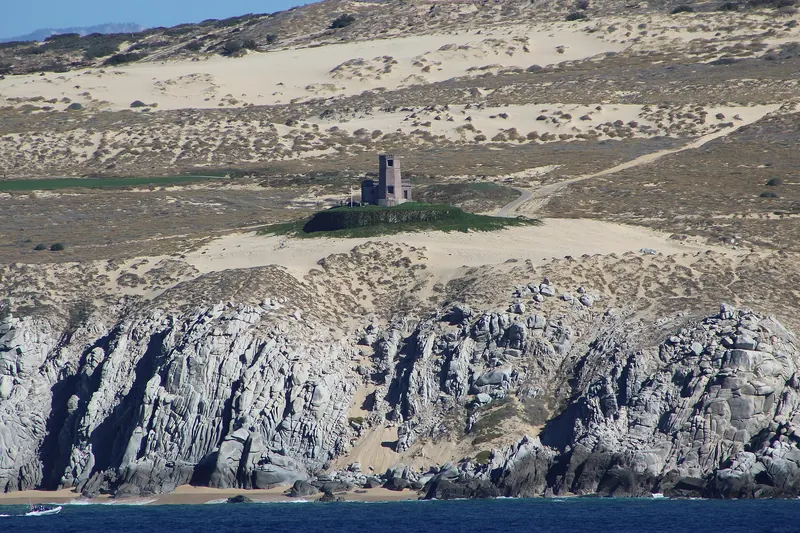
Turtles nest on both coasts of the cape. On the Cabo San Lucas side, the Pacific beaches below the Cabo Falso lighthouse are nesting beaches, and so is the long coast north of them toward Todos Santos.
When is turtle release season in Cabo?
Females come ashore to dig a nest and lay a clutch of up to 100 eggs. The eggs incubate in the sand for about 45 to 60 days, so hatchlings start to appear roughly two months after nesting picks up.
| Month | What happens | Sunset (mid-month) |
|---|---|---|
| June and July | Nesting starts to build | 7:05 to 7:10 PM |
| August | Heavy nesting, first hatchlings | 6:55 PM |
| September and October | Peak nesting, regular releases | 6:25 and 5:55 PM |
| November | Nesting slows, releases continue | 5:35 PM |
| December | Last releases of the season | 5:35 PM |
The municipality describes June to November as the high nesting season, with the peak in September and October. Releases trail the nesting by those 45 to 60 days, which is why they run into December.
If you can choose your dates, October and November give you the best odds. Nests laid during the peak are hatching, the sun sets early enough for young kids, and the afternoon heat has eased.
Where can you see a baby turtle release, and is it free?
There are four ways to see one in Los Cabos.
The municipal sea turtle protection program, part of the city's ecology and environment office, patrols the nesting beaches and moves nests at risk into protected corrals. It also holds releases that are open to the public, including some on the bay in Cabo San Lucas.
A nonprofit turtle camp has worked on the Pacific coast north of Cabo San Lucas since 1995, under a federal permit from SEMARNAT, Mexico's environment ministry. It opens its releases to the public from September 15 to December 15. You reserve ahead, bring a photo ID and leave a small donation.
Many beachfront resorts run their own nest protection with trained staff and invite guests to watch when a nest hatches. If you're staying on the beach in season, ask at the front desk on your first day.
Tour companies also sell turtle release outings with transport from your hotel. That's the easy option if you don't have a car, since the Pacific camps are a drive from town.
Whichever you pick, check dates on social media a day or two before. Hatchlings have to be released right after they emerge, so the schedule follows the nests.
What happens at a turtle release?
You arrive before sunset. A biologist or camp technician explains the species and the nest the hatchlings came from, then sets them on the sand a short distance from the water.
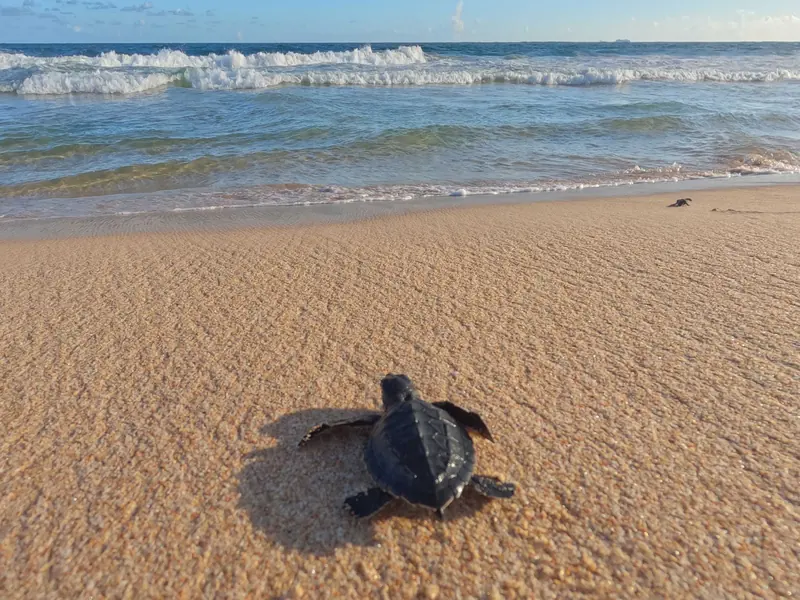
From there the turtles do the work. They crawl down the beach, get rolled by the first wave, and after a few tries they swim out past the break. It's over quickly, so be on time.
Local programs put the odds at about one hatchling in a thousand living to adulthood, which is why they protect thousands of nests each season.
What are the rules at a release?
Sea turtles are protected in Mexico, and the standard for nesting beaches, NOM-162, lets only authorized camp technicians handle eggs and hatchlings. For visitors that means:
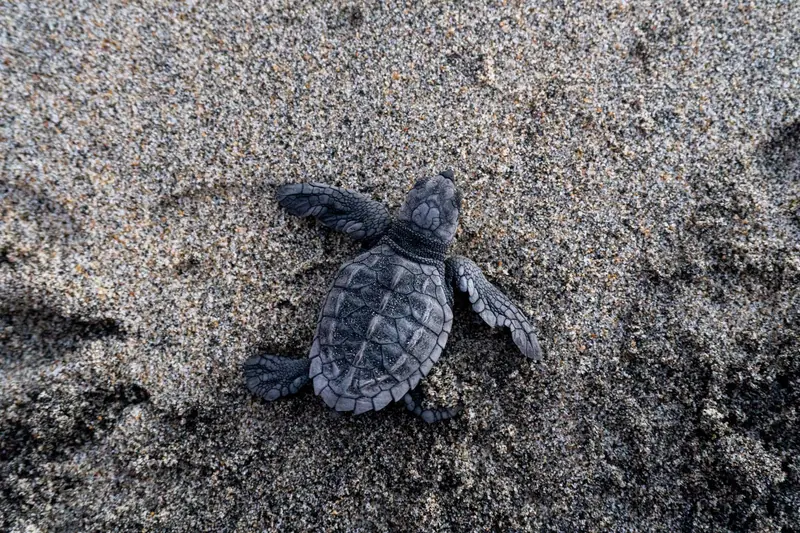
- Don't touch the hatchlings. The oils and bacteria on our skin can harm them, and the public isn't allowed to handle them.
- Keep your phone flash and flashlight off. Bright light disorients turtles, especially after dark.
- Don't put sunscreen or tanning lotion on your hands before the release.
- Stand behind the line the technicians draw, and keep the path to the water clear.
- Leave dogs at the hotel, or keep them on a leash and well back.
- Stay away from marked nests and corrals, and never drive on a nesting beach.
If someone on a beach offers to let you hold a baby turtle for a tip, say no. It's illegal.
You may also find a nesting female or loose hatchlings on your hotel beach at night. Keep your distance, keep lights off and tell hotel staff or security so they can call the people who are trained to handle it.
Is a turtle release good for kids?
It's one of the easier wildlife outings in Cabo for a family. It's short, it's outdoors and it happens at an hour when small kids are still awake.
Prepare them for the no-touch rule before you go, because the urge to help a struggling hatchling is strong. Pacific beaches also have heavy surf and a steep shore break, so keep children well up the sand and out of the wet zone.
Bring water, a light layer for after sunset and closed shoes if the camp is reached through dunes.
Can you see sea turtles from a boat in Cabo?
Sometimes, and it's luck. A turtle at the surface looks like a brown dome that lifts a head for a breath and goes back under, so most people miss it until the crew points.
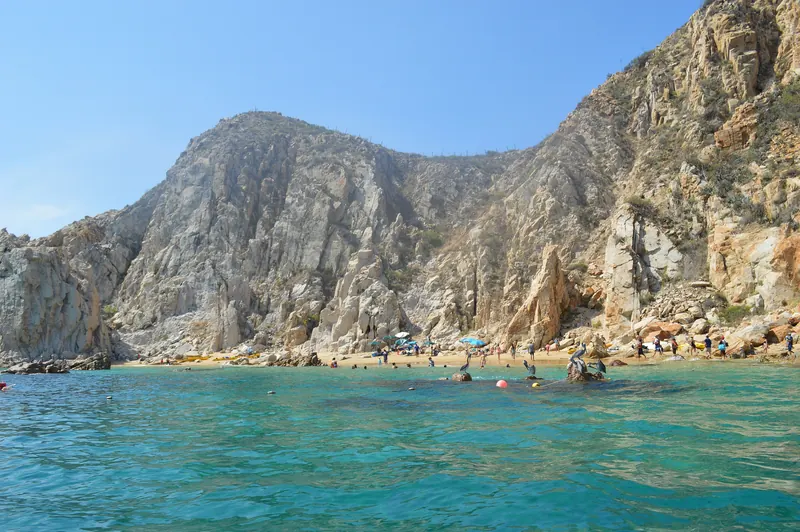
Your chances are better with a mask on. Divers at Pelican Rock, the snorkel stop 0.8 miles (1.3 km) from the marina, list turtles among the animals they see there, although what turns up near the surface changes from day to day. Our Pelican Rock snorkeling guide covers the spot.
The same manners apply in the water as on the sand. Don't chase a turtle, don't touch it and don't block its way up to breathe.
Pairing a turtle release with a private boat day
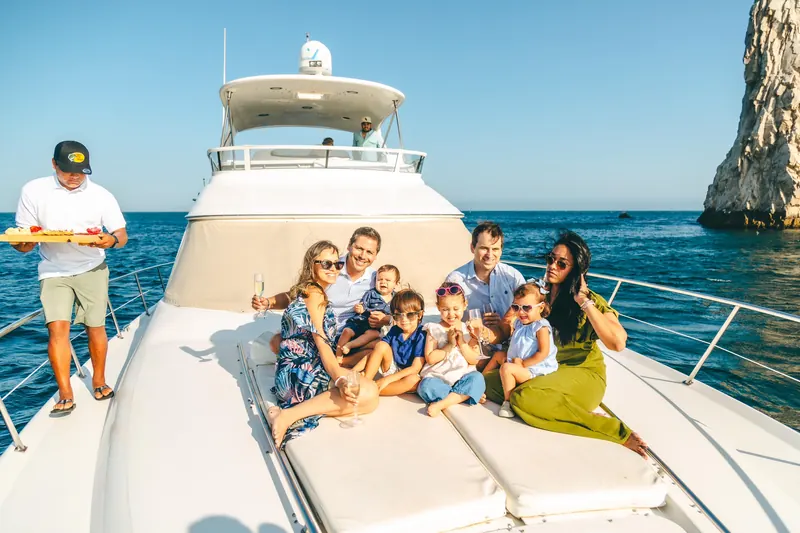
The two fit into one day because they happen at opposite ends of it. Releases are a sunset activity on land, so take the boat in the morning, when the bay is usually at its calmest, and be back at the dock by early afternoon.
For a family, three hours is the usual length. That covers Pelican Rock, the sea lions, the Arch and a swim stop without rushing anyone. Our family day page has the outline, and these are the three boats we suggest most often:
| Yacht | Guests | 3 hours |
|---|---|---|
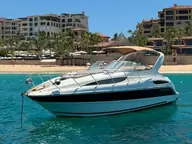
| Bayliner 33 | Up to 8 | USD 869 / MXN 16,599 |
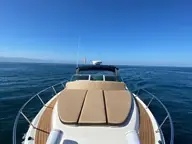
| Sea Ray 36 | Up to 12 | USD 929 / MXN 17,799 |
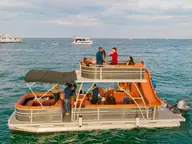
| Pontoon 38 | Up to 18 | USD 1,269 / MXN 23,999 |
The Bayliner 33 comes with ice, bottled water, a floating mat and snorkel gear. The Sea Ray 36 has a captain and deckhand, a cooler, snorkel gear and towels on board. The Pontoon 38 is the one kids ask for, because it has a water slide from the upper deck, plus an enclosed head with a freshwater shower.
Prices are per boat for your whole group, with the 16% tax included. The customary 15% crew tip isn't included.
Leave a gap between the two. If the release is at a Pacific camp, plan on the drive plus arriving before sunset, which in October means being on the road by late afternoon. A charter that boards at 9 or 10 AM leaves time for lunch and a rest in between.
Turtle season also overlaps with the weeks when the Port Captain is most likely to close the harbor, from September to mid-October. If the port is closed on your date, you get a new date or a full refund. Our Cabo with kids guide has more on planning a boat day around children, and the Cabo Falso lighthouse article covers the Pacific coast where many of the nests are.
Planning the day
Pick the boat date first, since that's the part you can reserve. Send your date, group size and the kids' ages through the planner, and we reply in writing within 2 hours, 8 AM to 8 PM Cabo time.
Then watch the release schedules the week you arrive and pick the evening that works. If no nest hatches while you're in town, you still had the morning on the water.
Yachts in this guide
Questions people ask
When is turtle release season in Cabo?
Hatchlings are released from about August into December. Nesting is busiest from June to November with a peak in September and October, and one long-running nonprofit camp holds its public releases from September 15 to December 15.
Are there sea turtles in Cabo San Lucas?
Yes. Olive ridley, leatherback and black turtles nest on Los Cabos beaches, mostly from July to December, and the olive ridley is by far the most common. The municipal protection program reported more than 7,000 protected nests in the 2025 season.
Is there a free turtle release in Cabo?
Yes. The municipal sea turtle protection program holds releases that are open to the public, and a nonprofit camp on the Pacific side asks only for a small donation. Both post their dates on social media, because a release depends on which nests hatch that day.
Can you touch the baby turtles at a release?
No. Under Mexican standard NOM-162 only authorized camp technicians may handle hatchlings, so you watch from behind a line in the sand. Anyone on a beach who offers you a baby turtle to hold for money is breaking the law.
What time of day are turtles released in Cabo?
Usually around sunset, when there are fewer predators. Mid-month sunset in Cabo is about 6:25 PM in September, 5:55 PM in October and 5:35 PM in November and December.
Plan your day on the water
Pick a yacht, the hours and the food in the planner. A written reply within 2 hours, 8 AM to 8 PM Cabo time.
Keep reading
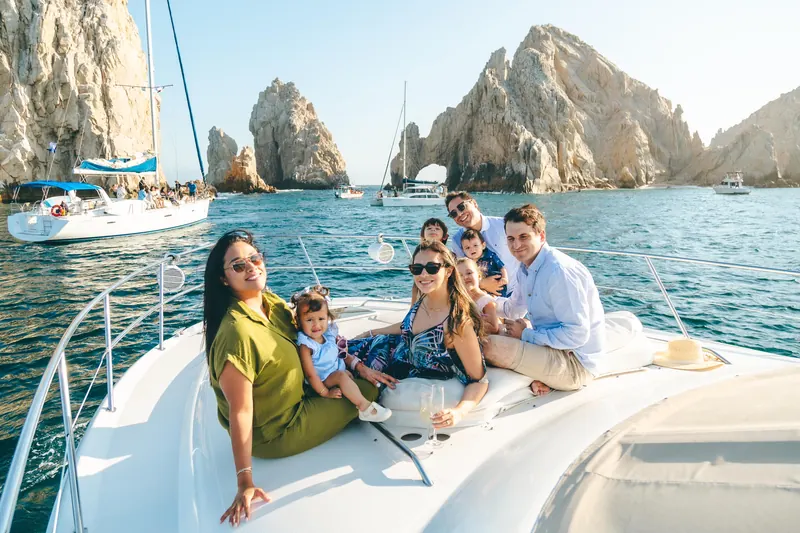 Plan your tripCabo With Kids: How to Plan a Family Boat DayHow to plan a family boat day in Cabo: life jackets, shade, bathrooms, short routes, kid-friendly yachts and a few ideas on land.7 min readBeaches and snorkelingCabo Falso Lighthouse: History and How to See ItThe 1905 Faro Viejo on the Pacific dunes: its history, why land access is complicated, and how a sunset boat route gets you there.6 min read
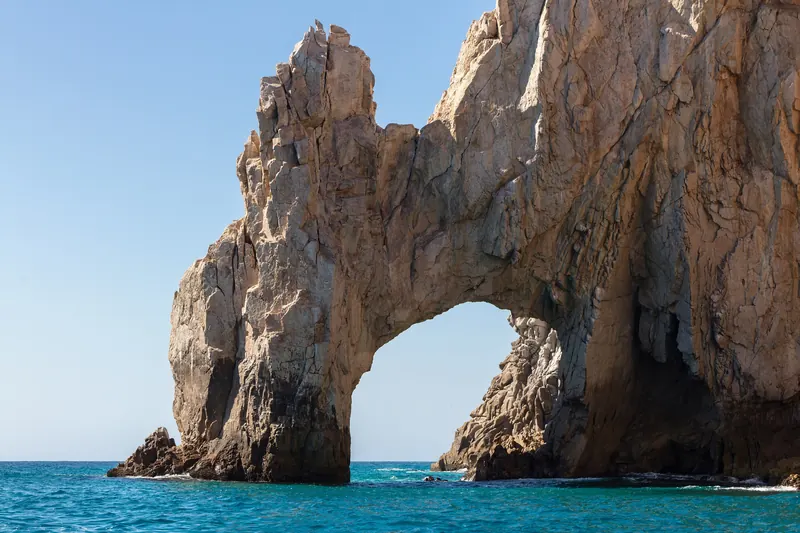 Plan your tripBest Time to Visit Cabo San Lucas: Month by MonthCabo weather by month for a boat day: water temperature, rain, sunsets, whale season, the best snorkel months and when the port may close.7 min read
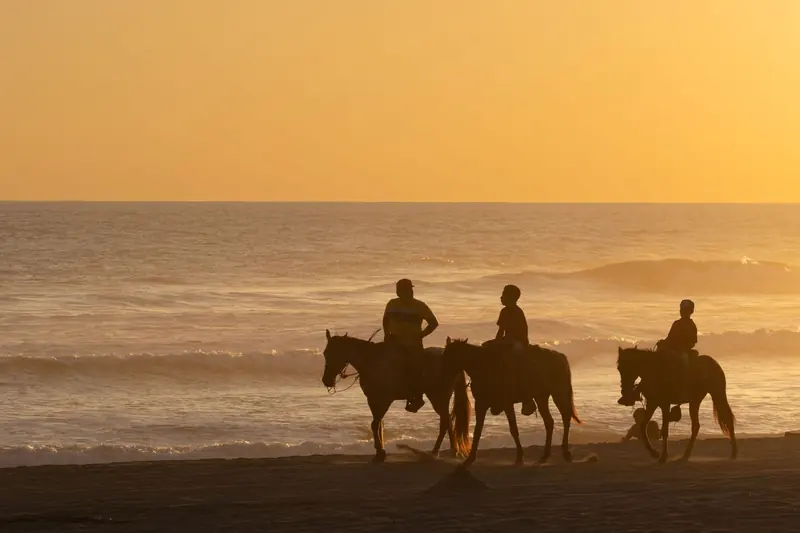 Things to doCabo Horseback Riding: Beach Rides, Sunset and TipsHow beach horseback rides in Cabo work: where they go, limits for riders, sunset slots, ATV combos and how to judge a ranch.7 min read